What Drives Your MOQ, and How to Lower It
In short
MOQ is not one number. It is the sum of the minimums created by the model, the housing colour, the packaging structure, the manual languages and any new tooling. Three of those five are usually packaging and print decisions you control. Choosing a stock model with stock cartons and one language is what makes a small first order possible; a new housing plus a rigid gift box is what makes it impossible.
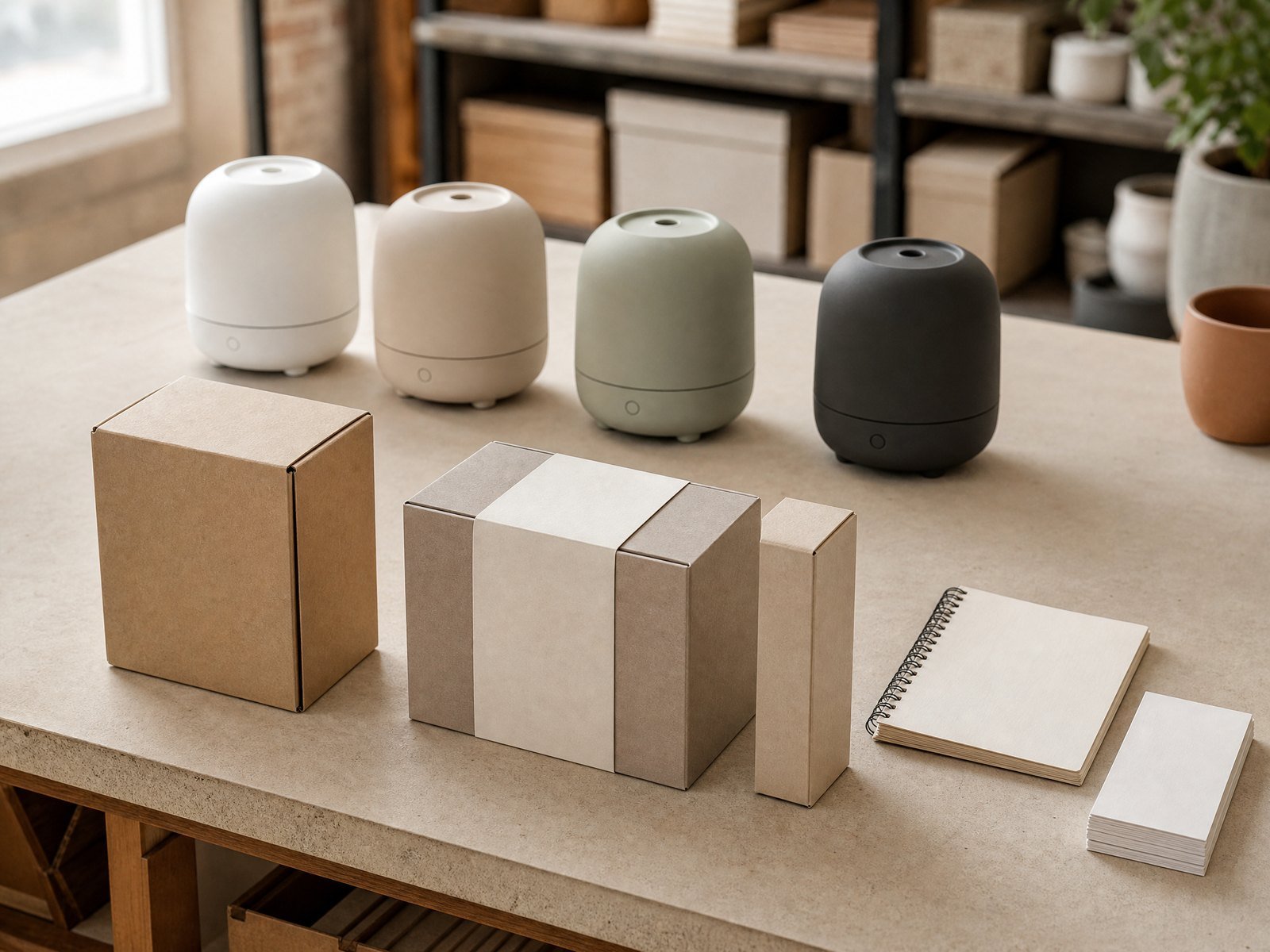
MOQ is not one number
Buyers ask "what is your MOQ" and expect a figure. The honest answer is that our minimums are quoted per project, because the number is produced by five separate decisions and only one of them is the appliance. Ask for a figure before those decisions are made and you get either a number that is too high to be useful or one that gets revised later.
The five levers
| Lever | Effect on the minimum | Can you move it? |
|---|---|---|
| Model choice | A stock model has an established run; a modified one starts a new one | Yes — pick from the existing range |
| Housing colour | Each additional colour adds its own minimum | Yes — one colour for the first run |
| Packaging structure | Usually the largest single lever: a new insert or rigid box resets the run | Yes — stock carton for launch |
| Manual and language set | Each language adds a print minimum | Yes — one language, digital rest |
| New tooling | Applies only to a new housing or tank shape | Rarely worth it for a first order |
Read the right-hand column as the point of the article: three of the five are ordinary packaging and print decisions, and they are made before you ever discuss quantity.
Why packaging decides more than the unit
A humidifier is assembled from parts that are already in production. A carton is printed in a run, and an insert is cut from a die. Change the die or the print and the supplier is no longer continuing a run — they are starting one, and the minimum is what makes starting one worth setting up.
This is why a brand that wants a unique gift box and a small first order is asking for two things that pull against each other. The usual resolution is a stock carton with a printed label or sleeve for the first order, and the structural box once volume justifies the die. The private label guide walks through packaging and branding decisions in the order they should be made.
Five ways to lower a first order
- Start from a stock model. The four lines — humidifiers, aroma diffusers, air purifiers, dehumidifiers — already have established units; specifying one of them avoids a tooling conversation entirely.
- One colour, one language. Add colours and languages in the second run, when you know which one sells.
- Keep the carton structure. Change the artwork, not the die.
- Separate the sample order from the production order. Sampling runs 5–15 working days and exists to settle exactly these questions before they become minimums. The sampling guide covers what the fee buys and where the timeline goes.
- Ask what the minimum is per lever. A supplier who can break the number down is telling you where the cost actually sits.
What you should not try to avoid
Some minimums are not commercial padding. A unit that ships with fragrance oil carries labelling and transport obligations that change with the quantity of oil and the number of SKUs. A market that requires certification ties the certificate to a model and a factory, so adding variants after testing means paying for testing twice. The market certification guide shows how each route ties the certificate to a model and a factory. Squeezing those to hit a lower number moves cost rather than removing it.
Warranty and after-sales expectations should also be sized before the order, not after: our units carry 12 months from receipt, claims are acknowledged within 24 hours, and we ask that a claim be raised within 7 working days of delivery. A tiny first order with an unclear returns path costs more in administration than the order is worth.
What a workable first order looks like
Stock model, one colour, stock carton with printed artwork, one manual language, certification route chosen for the destination market, and a sample approved before production. Production then runs 15–30 working days after approval. That sequence is deliberately boring; it is also the one that lets a brand test a market without committing to a die.
Tell us the market, the channel and the packaging you have in mind, and the quote will show the minimum per lever instead of a single figure. How to order · Private label · Request a quote.
Filed under Sourcing. Back to all guides.